The Brink of War Ending Explained
Overview
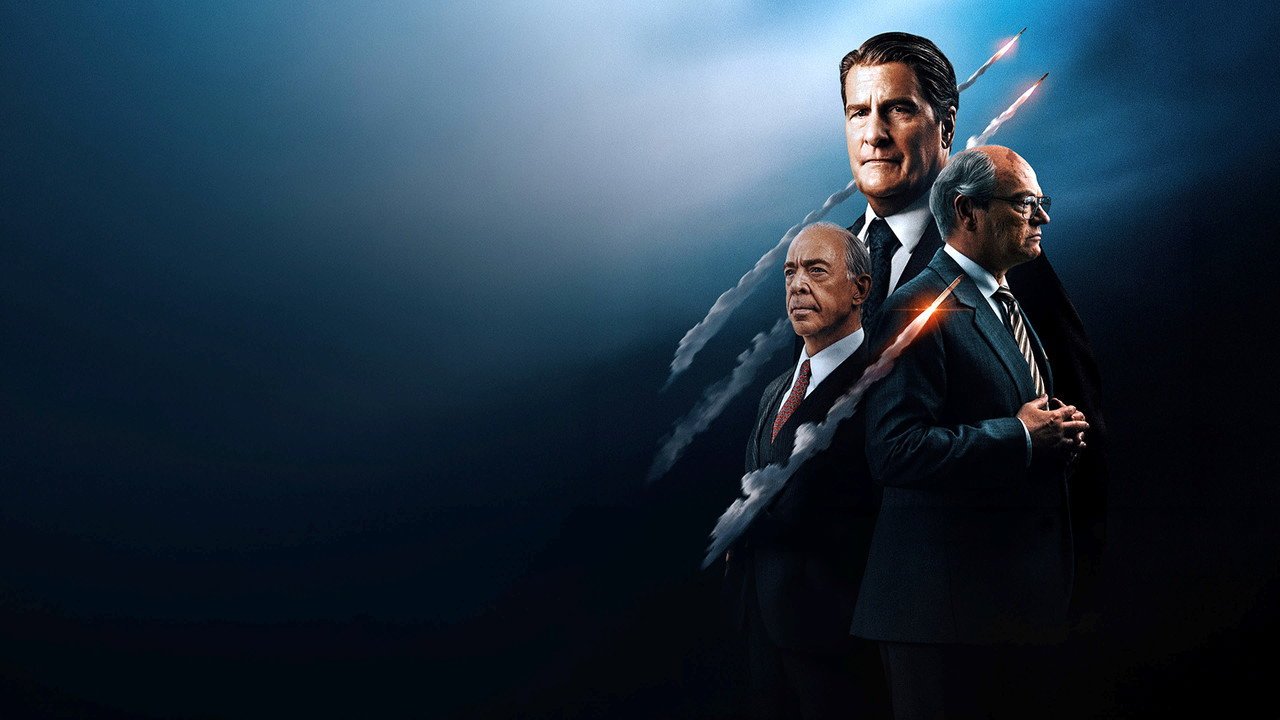
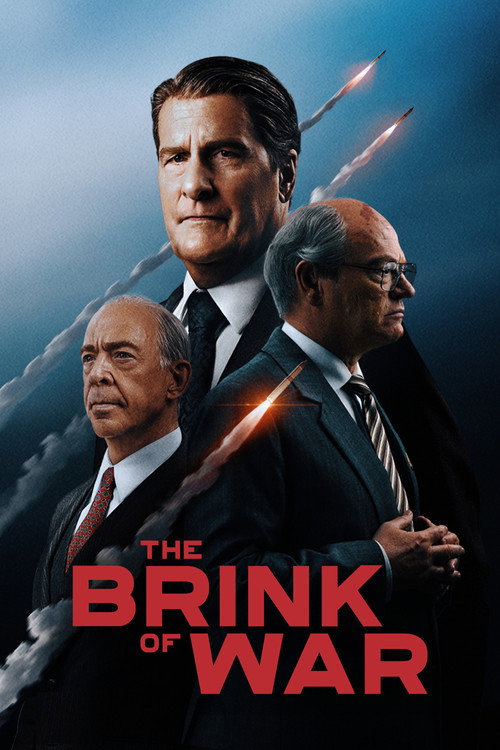
"The Brink of War" takes us back to a high-stakes moment in history: 1986, during the Cold War. It's all about a crucial meeting in Iceland between two powerful leaders, U.S. President Ronald Reagan and Soviet General Secretary Mikhail Gorbachev. They're trying to cool down global tensions and deal with the scary threat of nuclear weapons. But as you'll see, both men have their own secret goals and challenges they're bringing to the table, making for some very intense drama.
Cast
 Jeff DanielsRonald Reagan
 Jared HarrisMikhail Gorbachev
 J.K. SimmonsGeorge Shultz
 Hope DavisNancy Reagan
 Branka KatićRaisa Gorbachev
What Happens (Spoilers)
The movie kicks off with Reagan and Gorbachev heading to Reykjavík, Iceland, for an informal summit. Reagan is keen to talk about arms control and human rights in the Soviet Union, while Gorbachev wants to sort out the nuclear standoff to help his country's economy.
On the first day, October 11, they meet at a place called Höfði. Gorbachev surprises Reagan by suggesting they *reduce* arms instead of just controlling them. In a private chat, Reagan brings up human rights in the Soviet Union and makes a special request for a Soviet defector, the cellist Mstislav Rostropovich, whose sister wants to visit him in the U.S. Gorbachev says he'll think about it but then focuses on strategic arms and the ABM Treaty. Seeing how many medium-range nuclear missiles (IRBMs) both sides have in Europe, Gorbachev proposes they both get rid of all their IRBMs there, letting other NATO countries keep their own nuclear weapons. However, they can't agree on the nuclear situation in the Pacific. Meanwhile, outside the talks, Gorbachev's wife, Raisa, gets a lot of media attention during her cultural tours, which apparently annoys Reagan's wife, Nancy, who stayed home.
After a short break, the talks get bigger, including U.S. Secretary of State George Schultz and Soviet Foreign Minister Eduard Shevardnadze. The Soviets offer to cut strategic offensive weapons in both countries by 50%. Things get a bit tense when they discuss politics – Reagan talks about people being unhappy with the Soviet government, and Gorbachev fires back by bringing up Reagan's 1981 assassination attempt, which we see Reagan is still struggling with. Luckily, the mood lightens up again. Before the day ends, Reagan hints at getting rid of *all* nuclear weapons but avoids Gorbachev's request to talk about the Strategic Defense Initiative (SDI), the U.S. missile defense program.
The second day, October 12, starts with more tension. Reagan keeps pushing on Soviet human rights abuses, specifically about not letting "refuseniks" emigrate, leading to a back-and-forth blame game. Schultz privately tells Reagan to focus only on arms reduction, warning that these other issues could ruin the whole deal.
Later, they meet again and agree to reduce land-based IRBMs in Europe over ten years. But Gorbachev is still really focused on SDI, worried it could let the U.S. strike first without fear of retaliation. Reagan refuses, saying SDI is vital to protect the U.S. and its allies. Then, impulsively, Reagan offers to share SDI technology with the Soviets, but Gorbachev doesn't believe him, pointing out how the U.S. controls tech trade with the Soviet Union. Exhausted, Reagan agrees not to deploy SDI for ten years but wants to test it practically. Gorbachev counters by saying it can only be tested theoretically in a lab, which Reagan can't accept.
Stuck in a deadlock, Gorbachev ends the summit. Reagan is upset about the failure, but Schultz tries to cheer him up. Schultz then realizes Reagan's real goal wasn't just arms control – it was to bring about the end of the Soviet Union itself, noting that the country's political system isn't stable anymore. Energized, Schultz tells Reagan to persuade Gorbachev to let Rostropovich's sister visit him, on the condition she won't defect. Gorbachev agrees, and the two men shake hands. At the very end, Schultz speaks directly to the audience, explaining that even though the summit was initially met with doubt, it paved the way for the 1987 IRNF Treaty and, just as Reagan had hoped, the fall of the Soviet Union in 1991. He also shares Gorbachev's simple comment about the beginning of the Cold War's end: Reykjavík.
What It Means
"The Brink of War" explores how personal beliefs and hidden agendas can shape world-changing events, even when leaders are ostensibly working towards a common goal. It suggests that sometimes, the true impact of a moment isn't immediately obvious, and that history's biggest shifts can begin with subtle, human interactions rather than grand pronouncements. It’s a reminder that even in the highest echelons of power, human emotions and deeply held convictions drive decisions.
Where to watch: Angel Studios (US)
Plot facts sourced from Wikipedia (The Brink of War), used under CC BY-SA.
Movie data and images: TMDB. This product uses TMDB and the TMDB APIs but is not endorsed, certified, or otherwise approved by TMDB.